


Just this morning, a informal Alliance of the Determined, predominantly composed of EU leaders, gathered in the French capital with delegates of the Trump administration, hoping to make further progress on a lasting peace agreement for Ukraine.
With Ukraine's President Volodymyr Zelensky asserting that a plan to conclude the hostilities with Russia is "nearly finalized", no-one in that gathering wanted to endanger keeping the Americans onboard.
Yet, there was an colossal glaring omission in that impressive and luxurious Paris meeting, and the fundamental atmosphere was exceptionally strained.
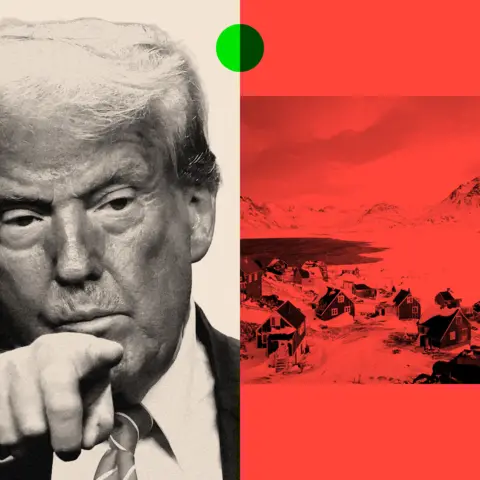
Consider the events of the recent days: the White House's contentious incursion in the South American nation and the American leader's insistence soon after, that "we need Greenland from the viewpoint of strategic interests".
The vast Arctic territory is the world's greatest island – it's six times the dimensions of Germany. It is situated in the far north but is an semi-independent possession of the Kingdom of Denmark.
At the conference, Mette Frederiksen, the Danish Prime Minister, was sitting opposite two key figures speaking on behalf of Trump: emissary Steve Witkoff and Trump's relative Jared Kushner.
She was subject to urging from her EU counterparts to avoid alienating the US over the Arctic question, for fear that that affects US assistance for the Ukrainian cause.
Europe's leaders would have much rather to compartmentalize the Arctic dispute and the discussions on Ukraine separate. But with the diplomatic heat rising from Washington and Copenhagen, leaders of major EU countries at the talks released a statement stating: "Greenland is part of NATO. Security in the Arctic must therefore be achieved together, in cooperation with NATO allies including the United States".
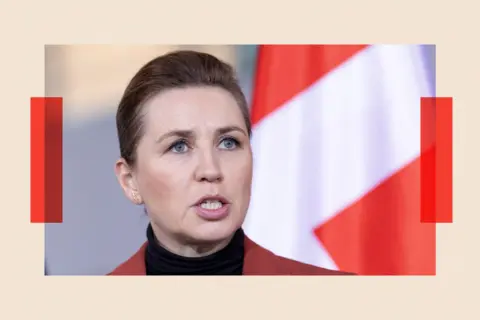
"Sovereignty is for Denmark and the Greenlandic authorities, and them only, to decide on matters concerning the kingdom and its autonomous territory," the communiqué further stated.
The statement was welcomed by the island's leader, Jens Frederik Nielsen, but critics contend it was slow to be drafted and, due to the small set of supporters to the declaration, it failed to demonstrate a European Union united in intent.
"Had there been a joint declaration from all 27 EU partners, along with alliance partner the UK, in backing of Danish control, that would have conveyed a resounding warning to Washington," stated a European defense expert.
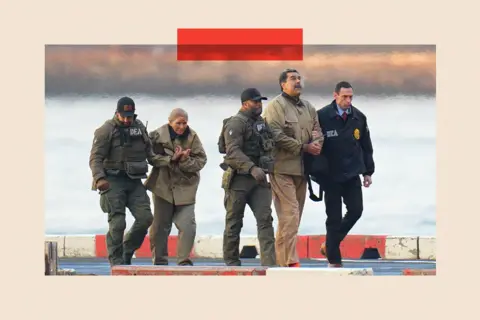
Ponder the paradox at work at the European gathering. Multiple EU national and other officials, including NATO and the European Union, are seeking to secure the cooperation of the US administration in safeguarding the future autonomy of a continental state (Ukraine) against the hostile territorial ambitions of an foreign power (Russia), on the heels of the US has entered sovereign Venezuela militarily, detaining its leader, while also continuing to openly challenging the sovereignty of a further continental ally (Denmark).
To make matters even more stark – Denmark and the US are both participants of the transatlantic alliance NATO. They are, in the view of Copenhagen, exceptionally close allies. At least, they were.
The issue is, if Trump were to fulfill his goal to acquire Greenland, would it mark not just an fundamental challenge to NATO but also a profound problem for the EU?
Europe Risks Being Marginalized
This is far from the first instance Trump has expressed his determination to control the Arctic island. He's proposed buying it in the past. He's also not excluded a military seizure.
On Sunday that the landmass is "crucially located right now, Greenland is covered with Russian and Chinese naval assets all over the place. It is imperative to have Greenland from the perspective of national security and Denmark is incapable to handle it".
Copenhagen strongly denies that claim. It not long ago vowed to invest $4bn in Arctic security including boats, drones and aircraft.
Pursuant to a bilateral agreement, the US operates a military base currently on the island – founded at the beginning of the East-West standoff. It has cut the number of personnel there from around 10,000 during the height of the confrontation to about 200 and the US has often been faulted of taking its eye off the northern theater, recently.
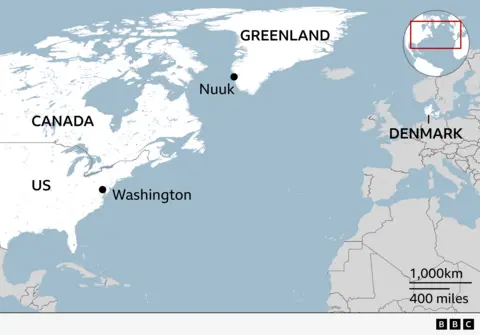
Denmark has indicated it is open to discussion about a bigger US presence on the territory and additional measures but faced with the US President's threat of independent moves, Frederiksen said on Monday that Washington's desire to take Greenland should be treated with gravity.
Following the US administration's actions in Venezuela this past few days, her fellow leaders throughout Europe are doing just that.
"This whole situation has just highlighted – once again – Europe's basic shortcoming {

